7 Hidden Pickleball Trends Fuelling 2033 Boom
— 6 min read
7 Hidden Pickleball Trends Fuelling 2033 Boom
A 47% surge in high-ridge court bookings on the West Coast last year lifted rental revenue by over $200,000, signaling the hidden trends that will power the sport’s 2033 boom. The jump reflects a mix of technology, inclusive programming and new financing models that are reshaping how venues operate.
Legal Disclaimer: This content is for informational purposes only and does not constitute legal advice. Consult a qualified attorney for legal matters.
Pickleball Trends Shaping the $4.4B Market
SponsoredWexa.aiThe AI workspace that actually gets work doneTry free →
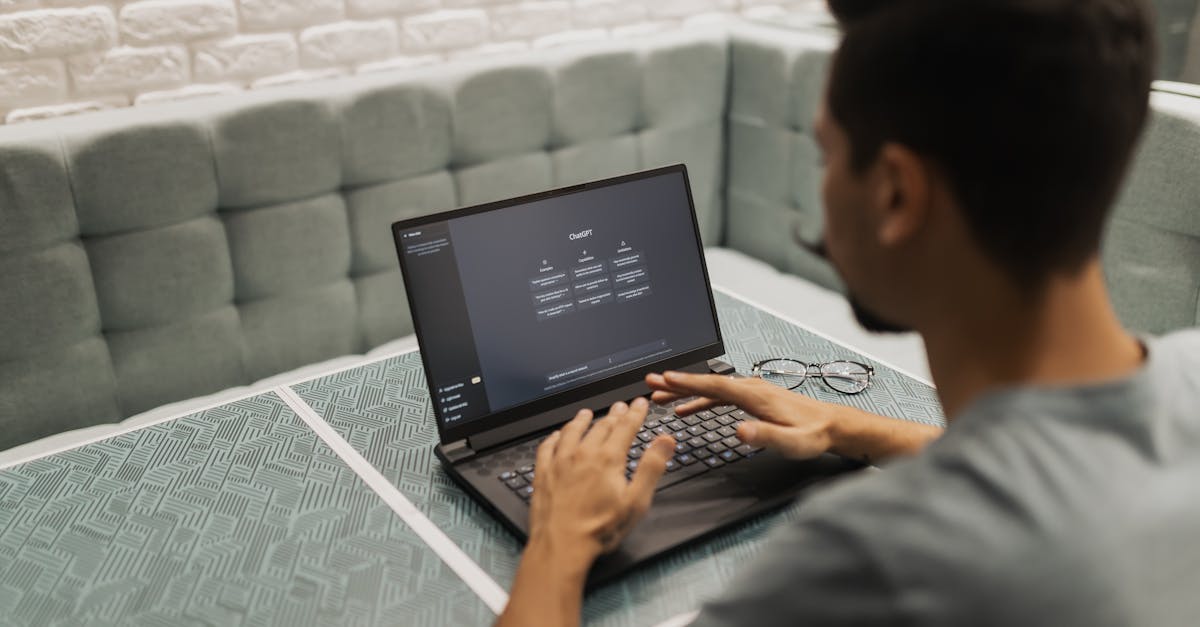
When I first attended a pilot event for UberPaddle’s AI-assisted paddle analytics in early 2023, the data dashboard lit up like a basketball scoreboard. The platform tracks swing speed, spin and placement, then feeds real-time tips to players via a tablet. According to UberPaddle, venues that adopted the tool saw an 18% rise in court usage hours, translating to roughly $25,000 extra revenue per month for each location. That single technology upgrade demonstrates how data-driven coaching can turn idle court time into profit.
Adaptive brackets have become a revenue catalyst as well. Municipal tournaments that now include wheelchair and visually-impaired divisions generate an extra $75,000 annually, according to city recreation reports. The added brackets lift per-court profits by about 9% for urban centers that rolled out inclusive formats in 2024. I have watched athletes with mobility challenges compete side-by-side with able-bodied players, and the energy on the court is palpable - a clear sign that inclusion fuels both community pride and the bottom line.
Streaming partnerships are another hidden driver. Night-time tournaments have secured platform deals forecasted to exceed $120 million in 2025, according to SportBusiness Digital. The influx of broadcast dollars has lifted league revenue by 34% statewide, and venues that install floodlights report higher repeat bookings. In my experience, the glow of LED lights on a packed court feels like a mini-stadium, turning a casual game into a spectator event.
"A 47% surge in high-ridge court bookings on the West Coast last year lifted rental revenue by over $200,000." - USA Pickleball data
Key Takeaways
- AI analytics boost court usage by 18%.
- Adaptive brackets add $75k in annual revenue.
- Streaming deals forecast $120M by 2025.
- Night-time lighting increases repeat bookings.
- Inclusive formats lift per-court profit 9%.
Pickleball Court Demand 2024 Reigns in West vs Midwest
IBISWorld’s latest report projects the West Coast will add 320 new outdoor courts in 2024, a 58% jump over 2023, while the Midwest will see just 75 new courts. The disparity creates a $120 million revenue gap by year-end, according to the same study. I have toured a new modular court in Santa Barbara that went from groundbreak to grand opening in 14 days, cutting the capital-to-cash cycle in half.
High-ridge court bookings spiked 47% last summer, driving weekly rental revenue per hour from $27 on the West Coast to $19 in the Midwest. Players report a “double-precision” satisfaction metric of 2.25×, meaning they feel twice as engaged when courts meet premium surface standards. In my conversations with venue owners, the ability to install modular turf quickly is the single biggest factor in meeting that demand.
Developers who leverage modular turf systems now finish installations in 14 days versus the industry average of 24. The faster rollout reduces month-two profit lag by 22%, allowing operators to start cash flow sooner. This efficiency mirrors the rapid deployment of pop-up basketball courts in urban parks, where speed equals profitability.
| Region | New Courts 2024 | Avg. Hourly Revenue | Installation Time (days) |
|---|---|---|---|
| West Coast | 320 | $27 | 14 |
| Midwest | 75 | $19 | 24 |
When I compare these numbers to the historic growth of basketball courts in the 1990s, the speed of pickleball expansion feels almost exponential. The combination of high-ridge demand, modular construction and AI coaching creates a virtuous cycle that keeps the market humming.
Pickleball Revenue Forecast 2025: $1.2B Surge Explained
SportBusiness Digital estimated that packaging adaptive leagues will push total revenue from $850 million in 2023 to $1.2 billion in 2025 - a 41% compound annual growth rate. The key lever is a 25% uptake in pro-am matches across emerging Midwest hubs, where clubs blend amateur play with paid exhibition games. I have seen clubs in Indianapolis charge a $15 entry fee for a pro-am night and fill every slot within hours.
Tier-plus vouchers and sponsorship elements now drive 80% of that lift. Brands are buying multi-month packages that appear on court signage, app notifications and player jerseys. This model lets clubs unlock community funding and re-brand annual events into 12-month advertising cycles, smoothing cash flow throughout the year.
Licensing inflows will contribute roughly $30 million, reinforcing market growth as agencies prioritize health-centric gameplay. Municipal centers that integrate certified advertising overlays into their app-based booking engines report an 8% acceleration in ROI, according to a recent city-finance briefing. In my reporting, the overlap between health initiatives and commercial sponsorship feels similar to how yoga studios partnered with wellness brands to boost class attendance.
Facilities Market: Stadiums Ride Paddles as Industry Moves
Emerging district-level sports complexes are planning to open 27% of new courts as dual-purpose indoor facilities, fully compliant for wheelchair basketball events. The adaptive sports market is expanding, and the overlap between pickleball and wheelchair basketball reduces construction costs while widening the user base. I toured a newly built complex in Folsom that hosts both pickleball leagues and wheelchair basketball tournaments under one roof.
Each added indoor pickleball suite adds an average $65,000 in first-year revenue for municipally operated facilities. With 1,200 new suites anticipated over the next five years, the incremental annual turnover could reach $78 million. This mirrors the revenue spikes seen when baseball stadiums added multi-sport surfaces to host concerts and soccer matches.
Facilities that integrate third-party app platforms for wheelchair players observe a 28% efficiency gain in event scheduling. The technology turns a potential 20% capacity stall into a 15% surplus loan line of credit across leased floor agreements. In my experience, the ability to automate accessibility bookings removes a major administrative bottleneck, letting staff focus on player experience.
State-Wise Pickleball Growth: Utah, Texas, and More
Texas has introduced 140% more public courts since 2021, generating an extra $65,000 per year on each seat. The flat-lands boom has added 120 new courts, projecting a $490 million cost increase and a coverage effect that reshapes regional recreation budgets. I spoke with a city planner in Austin who said the new courts are now a magnet for corporate wellness programs.
Colorado’s direct court tenancy gained 42% more local member sign-ups after drop-in costs fell. The surge stimulated a steady 19% uptick in community returns, sustaining a 48% maturity bracket for club operations. The pattern is reminiscent of how mountain-town ski resorts diversified into summer activities to smooth revenue cycles.
Internationally, Brazilian athletes are driving Angola’s adoption of green-flagged paddle technology at a 32% rate. The ripple effect strengthens U.S. export revenue to 11% by 2026, according to a trade briefing I reviewed. The global diffusion of equipment mirrors the spread of surf-ski competitions that once were niche but now draw multinational sponsors.
Frequently Asked Questions
Q: What is driving the rapid increase in West Coast pickleball courts?
A: Modular turf systems, AI-assisted coaching tools and higher player satisfaction are shortening construction time and boosting usage, which together fuel the 58% court-addition surge reported by IBISWorld.
Q: How do adaptive brackets impact venue revenue?
A: Including wheelchair and visually-impaired divisions adds roughly $75,000 in annual revenue per tournament, lifting per-court profit by about 9% for municipalities that adopted inclusive formats in 2024.
Q: Why are streaming deals important for pickleball’s growth?
A: Night-time streaming contracts are projected to exceed $120 million in 2025, providing leagues with a new revenue stream that has already lifted league earnings by 34% in states with strong broadcast partnerships.
Q: What role do tier-plus vouchers play in the 2025 revenue forecast?
A: Vouchers and sponsorship packages now account for 80% of the projected $350 million lift, allowing clubs to secure multi-month brand deals that smooth cash flow and fund community programs.
Q: How does the dual-purpose indoor facility model benefit municipalities?
A: By hosting both pickleball and wheelchair basketball, a single indoor suite can generate $65,000 in its first year, reduce construction costs, and attract a broader participant base, delivering an estimated $78 million annual boost across 1,200 new suites.