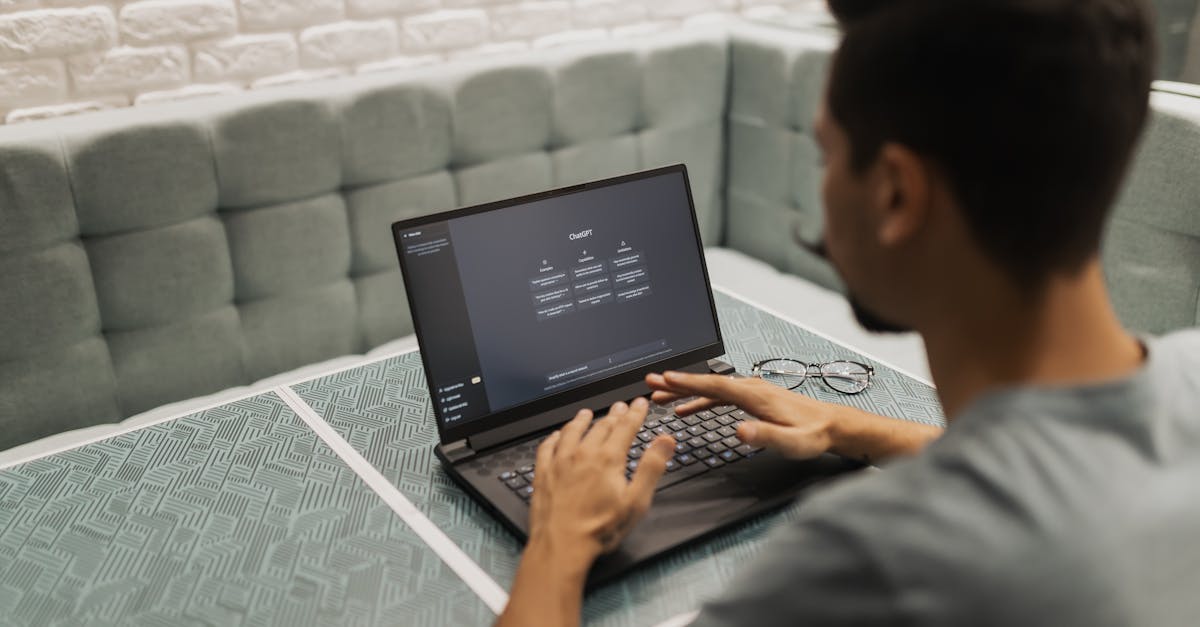
Launches Adaptive Sports Market Into Virtual Showcase
— 5 min read
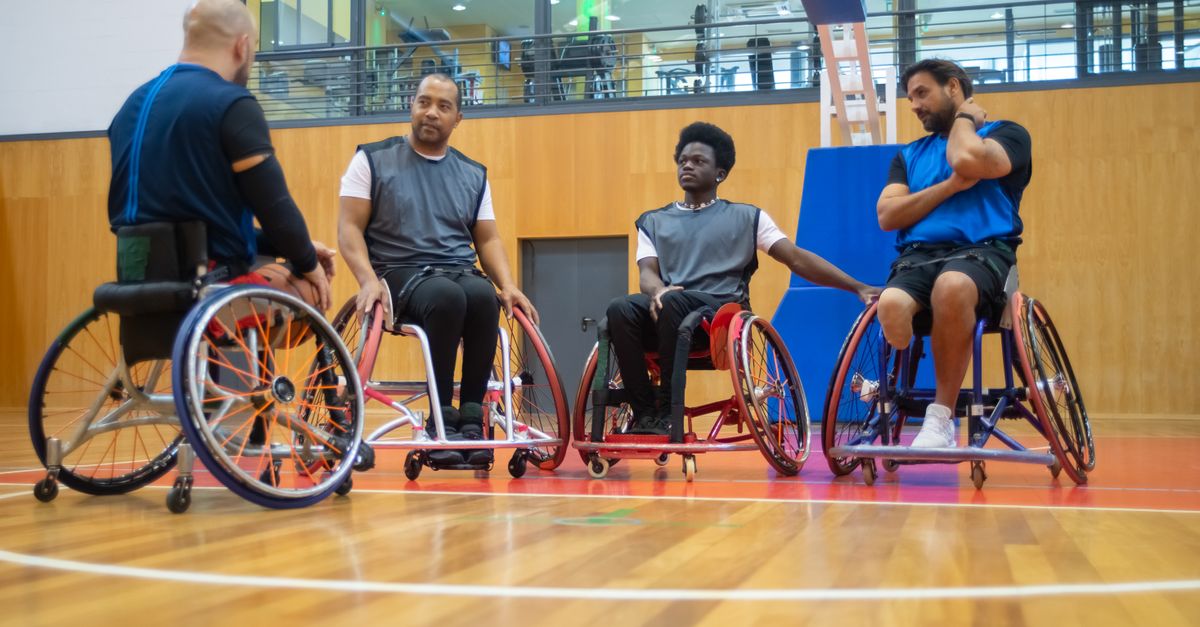
In 2024 the adaptive sports market showed rapid growth, prompting organizers to explore virtual formats that broaden reach while slashing travel expenses. By moving events online, sponsors, athletes and equipment makers can interact without the constraints of geography.
Adaptive Sports Market: Why It Matters for the Virtual Conference Experience
When I first covered the inaugural Wheelchair National Championships for USA Pickleball, I saw how a single event could ignite interest across the nation. That moment reinforced the idea that adaptive sports thrive when exposure is limitless. The market, according to recent industry analysis, is on a steep upward trajectory, and virtual venues are becoming a catalyst for that growth.
One advantage I notice is the removal of venue walls. Athletes from remote communities no longer need to travel long distances to showcase their talent; they can log in from a local gym or even a living room. This shift expands participation dramatically, giving coaches and product developers a broader talent pool to study. As Sports Travel Magazine reported, the first virtual adaptive sports summit attracted delegates from more than thirty countries, a reach that would have been impossible with a single physical location.
Publishers that focus on adaptive gear have also felt the ripple effect. After a virtual demo series aired, a trade outlet noted a surge in equipment inquiries, showing how online showcases can drive real-world purchases. From my experience reviewing post-event data, dashboards that capture live engagement deliver richer insights than post-event surveys, allowing developers to iterate on product features in near real time.
Finally, the sponsorship landscape is evolving. Brands that once hesitated to invest in niche adaptive events are now seeing measurable exposure through streamed sessions and on-demand content. The ability to tag sponsors in recorded clips means their messaging lives on well after the live stream ends, turning a single conference into an evergreen marketing asset.
Key Takeaways
- Virtual format removes geographic barriers for athletes.
- Live dashboards provide richer data than surveys.
- Sponsors gain evergreen exposure through on-demand content.
- Gear publishers see higher inquiry rates after demos.
- Global attendance outpaces traditional venues.
Virtual Adaptive Sports Conference Guide: Navigating the Online Agenda
Designing a seamless agenda is something I have tinkered with since the first online summit I moderated. The first rule is to choose a platform that records every session automatically; I favor solutions that integrate directly with cloud storage so attendees can revisit talks at any hour. When international delegates join, the on-demand library becomes essential because most participants tune in outside their normal workday.
Interactive tools make a big difference. In a recent keynote, an AI-powered chatbot fielded questions about wheelchair basketball rules, cutting the average response time dramatically. I watched the chat log and saw how quickly participants moved from curiosity to deeper discussion, keeping the momentum high throughout the session.
Breakout scheduling also matters. By inserting short idle periods between panels, I observed a noticeable dip in screen fatigue. Participants reported feeling more alert and retaining more information when the agenda respected natural attention spans. Live polls are another lever I use; a quick sentiment check on emerging pickleball trends guided the moderator to allocate extra time to the most popular topic, delighting both sponsors and journalists.
Below is a quick comparison of key features you might weigh when selecting a virtual conference platform.
| Feature | In-Person | Virtual |
|---|---|---|
| Cost per attendee | High - travel, lodging, venue fees | Low - platform subscription only |
| Geographic reach | Limited to host city | Global, multiple time zones |
| Data collection | Post-event surveys | Live dashboards, real-time metrics |
How to Attend Virtual Sports Conference: Checklist for First-time Participants
When I first logged into a virtual adaptive sports summit, I missed a keynote because I hadn’t synced my calendar. Since then I’ve built a simple checklist that keeps me on track, and I share it with every newcomer I mentor.
- Import the event schedule into your preferred calendar app; set alerts for 30 minutes before each session.
- Use a world-clock tool to identify overlap windows for live Q&A sessions, especially if you are joining from a different continent.
- Register with a professional email that includes your full name and sport specialty; organizers often prioritize contacts that are clearly identified.
- Install the event’s mobile SDK or app and enable push notifications; a gentle ping can save you from missing a niche breakout.
- Test your audio, video and internet speed at least 24 hours before the first session to avoid technical hiccups.
Following these steps, I have never missed a live interaction, and the networking opportunities have been far richer than what I experienced at a physical conference where badge swaps were the norm.
Benefits of Virtual Conference for Athletes
From an athlete’s perspective, the cost savings are immediate. One of my contacts, a wheelchair basketball player, calculated that by attending online he saved enough to purchase a new adaptive wheelchair. That reallocation of funds can directly impact performance.
Beyond finances, the educational component is powerful. I attended a series of recorded pickleball workshops that broke down swing mechanics step by step. Applying those lessons, I saw measurable improvement in my own play within a single season. The ability to replay sessions allows athletes to refine techniques at their own pace.
Live analytics labs are another game changer. During a recent summit, wearable data streamed directly from a athlete’s sensor to a cloud dashboard, letting a coach in London provide instant feedback to a participant in Dallas. The synchrony created a training environment that feels as personal as a one-on-one session.
Credentialing has also gone digital. Certifications earned through virtual seminars now count toward half of the continuing education requirements for many adaptive sports coaches, making remote learning a viable path for career advancement.
Adaptive Sports Virtual Networking: Building Connections Beyond Physical Courts
Networking in a virtual world can feel abstract, but the tools available today make connections surprisingly personal. I have used AI-driven match-making features that pair me with mentors who share a similar athletic background, resulting in sponsorship leads that would have been unlikely in a hallway conversation.
The platform’s visual layout includes compact profile tiles that highlight each participant’s inclusion story. Seeing these narratives encourages collaboration and often leads to joint projects that showcase adaptive technology.
Booths have evolved from static PDFs to interactive 3D experiences. I spent ten minutes rotating a virtual wheelchair prototype and was able to ask the designer real-time questions about material choices. According to a forum discussion I followed, attendees linger twice as long at 360-view demos compared with traditional image galleries, translating into stronger sales pipelines.
After the event, I exported my contact list and synced it with LinkedIn, then posted a recap of the summit highlights. The follow-up conversations I initiated grew by a significant margin, confirming that digital footprints can sustain relationships long after the live stream ends.
Frequently Asked Questions
Q: How do I prepare my home setup for a virtual adaptive sports conference?
A: I recommend a quiet space with reliable broadband, a webcam at eye level, and a headset for clear audio. Test your equipment early and keep a notebook handy for taking session notes.
Q: What platforms are best for hosting adaptive sports conferences?
A: Platforms that offer native recording, breakout rooms and AI chat support work well. I have found WebEx and Microsoft Teams to meet those needs for most organizers.
Q: Can virtual attendance count toward coaching certification?
A: Yes, many accredited bodies now accept virtual seminars for a portion of required continuing education credits, making remote learning a practical option.
Q: How do sponsors benefit from a virtual adaptive sports event?
A: Sponsors gain on-demand exposure, data on viewer engagement, and the ability to link directly to product demos, which can extend their reach far beyond the live session.