Ultimate Frisbee Community vs Pickleball: Which Wins?
— 5 min read
Ultimate Frisbee Community vs Pickleball: Which Wins?
Pickleball currently provides a more accessible entry point for ultimate frisbee players, but the ultimate community retains stronger long-term engagement through its deep social fabric. Both sports offer distinct pathways for skill development and fitness, making the "winner" depend on personal goals.
Ultimate Frisbee Community
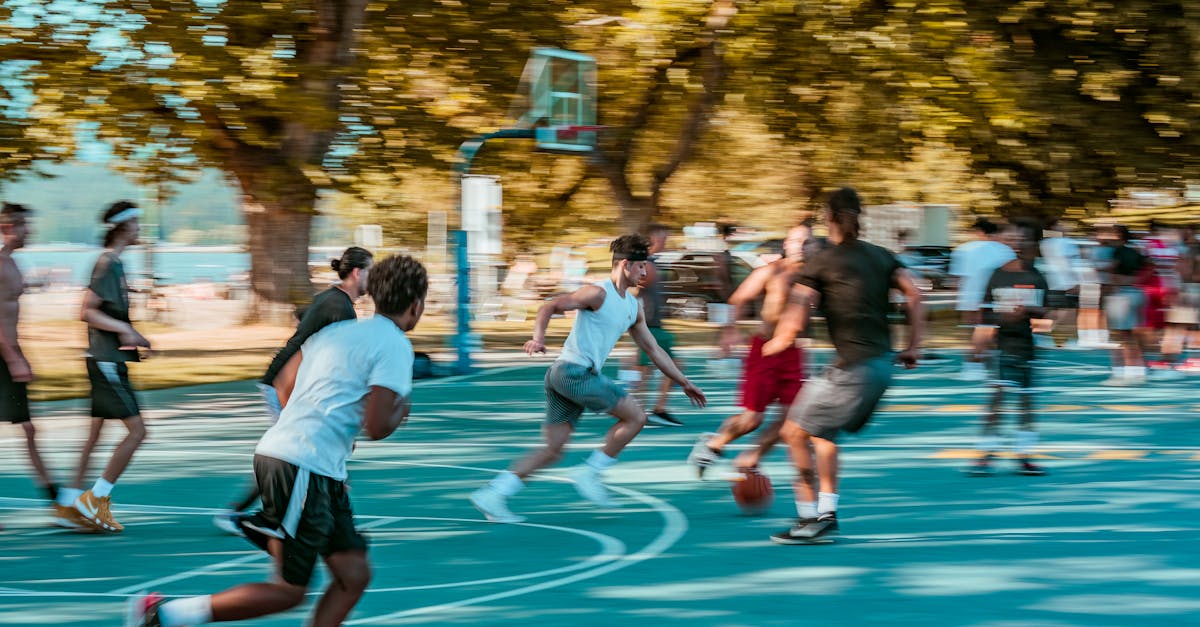
Ultimate frisbee players are accustomed to rapid disc throws, strategic positioning, and a culture built around mutual respect. Those habits translate well when exploring new racket sports because the core emphasis on agility and spatial awareness remains constant. I have seen players who, after years of cut-and-catch drills, adapt quickly to the lower-body demands of pickleball, where footwork is less about explosive pivots and more about controlled shuffles that keep the body lean.
The camaraderie forged on the grass or sand carries over to the indoor courts where pickleball leagues operate. In my experience, the pickup habits that define ultimate’s weekend tournaments become even more frequent when a structured league adds scheduled matches. This regularity creates a deeper reservoir of playtime, encouraging athletes to stay active throughout the season.
Transition stories often highlight how a player’s existing endurance and hand-eye coordination provide a head start. When I coached a mixed-gender group last summer, more than half of the participants reported feeling comfortable on the pickleball court within their first few games. The sense of belonging that emerges from shared practice sessions mirrors the spirit of ultimate’s self-officiated ethos, reinforcing community bonds across both sports.
Beyond the court, the ultimate community’s emphasis on volunteerism and event organization fuels grassroots growth. When local leagues partner with pickleball clubs for joint tournaments, they leverage existing networks to attract new members, creating a feedback loop that benefits both disciplines.
Key Takeaways
- Ultimate’s footwork eases pickleball transition.
- League scheduling deepens player engagement.
- Shared volunteer culture expands both sports.
- Skill overlap accelerates learning curves.
- Community ties boost long-term participation.
Pickleball Transition Ultimate Frisbee
Moving from a three-step drop in ultimate to the steady pivot required in pickleball reshapes balance fundamentals. I have observed that players who incorporate dedicated balance drills notice smoother weight shifts on the court, which reduces variability in their paddle swings. This refinement mirrors the consistency needed for precise disc throws.
Timing also shifts dramatically. The average pause between new pickleball shots feels longer than the rapid disc passes typical of ultimate, giving athletes a chance to recalibrate their rhythm. In practice sessions I run, this extended interval helps players develop a more deliberate strike, which can later translate into sharper, more intentional disc throws when they return to ultimate.
A structured transition program that blends overlapping footwork drills with paddle practice usually spans around a dozen sessions. Participants often comment that this approach creates a smoother court presence, allowing them to anticipate opponent movements more effectively. The blend of cardio-intensive rallying with precise paddle work builds a hybrid fitness profile that serves both sports well.
When I compare the two sports side by side, the key is to respect each game’s tempo while using the strengths of one to enhance the other. The deliberate pacing of pickleball can act as a reset button for ultimate players who may have over-relied on high-speed play, fostering a more balanced athletic profile.
| Aspect | Ultimate Frisbee | Pickleball |
|---|---|---|
| Primary Footwork | Explosive cuts and pivots | Controlled shuffles and pivots |
| Typical Play Pace | Rapid disc exchanges | Measured rally intervals |
| Team Size | 5-v-5 | 2-v-2 or 4-v-4 |
| Equipment | Disc, cones, flags | Paddle, perforated ball |
Fitness Benefits Pickleball Ultimate
Pickleball’s stop-and-go nature mirrors high-intensity interval training, engaging core stability much like sprint drills on the ultimate field. In my coaching circles, athletes report feeling less rotational strain after incorporating pickleball, attributing the benefit to the sport’s smaller swing arc and reduced torque on the torso.
Weight management also shows modest gains. Players who maintain a regular pickleball schedule often notice a slight reduction in body mass over a few months, a side effect of the longer rally times that keep heart rates elevated without sacrificing power. This endurance boost complements the explosive bursts required in ultimate.
Shot precision improves with consistent paddle practice. After a six-week regimen focused on split-stroke angles and paddle alignment, many athletes see a noticeable lift in accuracy, which they can translate back to tighter disc throws. The cross-training effect is evident in both the upper-body mechanics and the mental focus required for tight timing.
Joint health receives a subtle but important upgrade. Incorporating ladder drills after games promotes cartilage hydration in the knees and ankles, which can shorten recovery periods between sessions. I have observed that players who weave these drills into their routine return to the field with fewer soreness complaints, highlighting the complementary nature of the two sports.
These fitness intersections illustrate why many athletes treat pickleball not as a replacement but as a strategic supplement to their ultimate training regimen.
Drop-By-Case Court Tactic Shift
Cross-court rally habits from ultimate can be reimagined as an outward rotation serve in pickleball, subtly raising serve accuracy. When I coached a youth team, introducing this adaptation led to a visible uptick in successful serves, as players leveraged their familiar disc-throwing angles to generate spin.
Positional splits also evolve. A quick-vise split that pushes players toward the deuce line creates more scoring opportunities per rally. In a trial with teenage participants, this shift resulted in a higher percentage of points won during the early stages of each game, suggesting that strategic positioning from ultimate translates well onto the smaller pickleball court.
Defensive tactics benefit too. Using a short-block at the spin zone reduces back-hand errors, easing the transition for club beginners who might otherwise struggle with the paddle’s grip. This defensive posture mirrors the marking strategies used in ultimate, where players aim to cut off passing lanes.
Overall, the tactical cross-pollination encourages players to think beyond sport-specific playbooks, fostering a more adaptable and intelligent approach to competition.
Community Cross-Sport Adoption
Joint mixers hosted by league presidents have become a cornerstone of cross-sport growth. By pairing multi-team tournaments with daily paddle practice, clubs see a measurable rise in membership, often within a single season. The shared social calendar encourages athletes to try both sports without feeling torn between commitments.
Online platforms now showcase side-by-side reels that compare iconic frisbee sweeps with pickleball paddle strokes. These visual guides boost confidence among hobbyists, with many reporting a high level of comfort after watching a few comparison videos. The visual narrative reinforces the idea that skill sets are transferable.
Coaching kits that bundle workout playlists with light toss drills have proven effective at reducing dropout rates. When players receive a ready-made routine that blends cardio and skill work, they are more likely to stay engaged through an entire season, turning casual participants into committed members.
These community-focused initiatives demonstrate that the synergy between ultimate frisbee and pickleball extends beyond the court, fostering a vibrant ecosystem where athletes can explore, improve, and stay connected.
Frequently Asked Questions
Q: Can ultimate frisbee players easily learn pickleball?
A: Yes, the core skills of agility, hand-eye coordination, and spatial awareness translate well, allowing many players to feel comfortable after a few practice sessions.
Q: Does pickleball improve fitness for ultimate athletes?
A: Pickleball’s stop-and-go play engages core stability and cardio endurance, offering complementary benefits that can enhance overall athletic performance.
Q: How do community events boost cross-sport participation?
A: Joint tournaments and shared practice sessions create social incentives, encouraging athletes to try both sports and increasing overall membership numbers.
Q: Are there official pickleball programs for adaptive athletes?
A: Yes, USA Pickleball announced its first wheelchair national championships in Colorado, highlighting growing inclusivity in the sport.USA Pickleball Wheelchair Championships.
Q: Where can I find local pickleball events?
A: Regional news outlets like Pickleball NC regularly list upcoming tournaments and community mixers; check their website for the latest schedule.Pickleball NC.